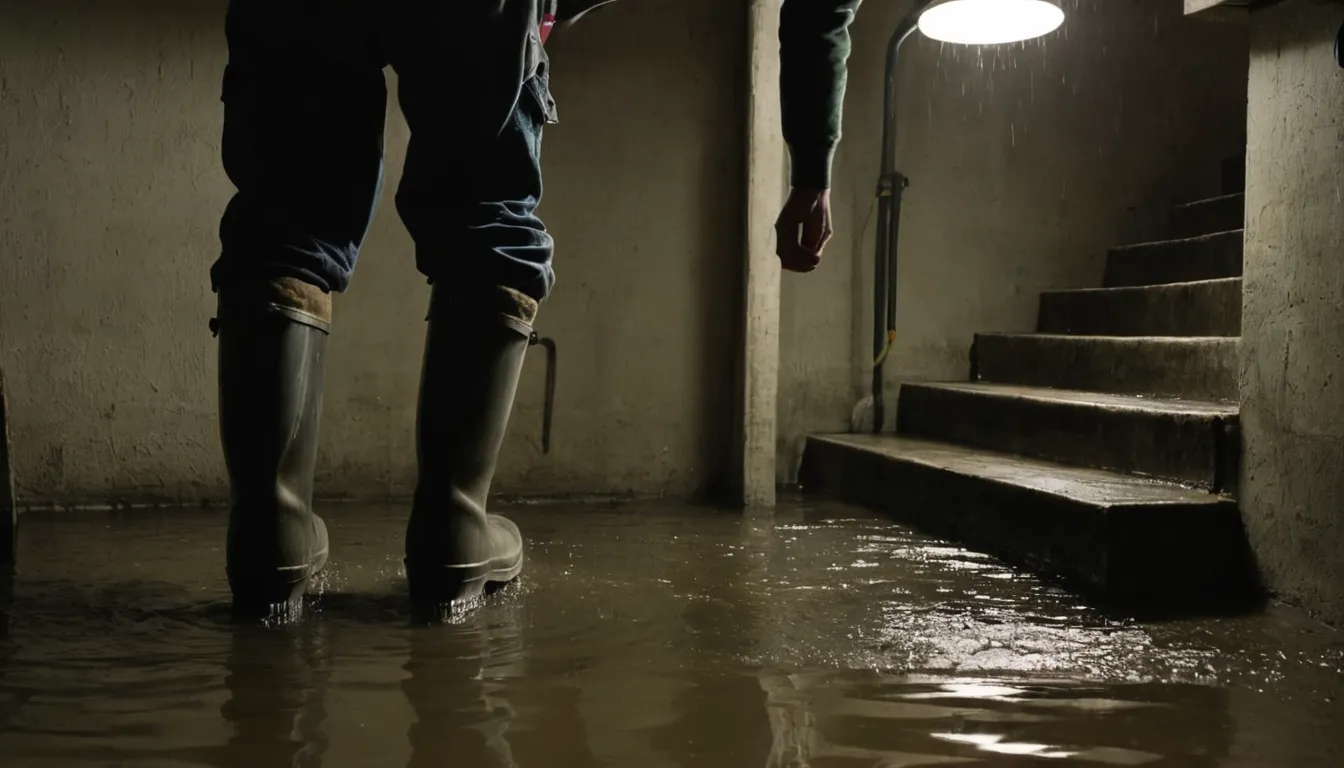
Flooded Basement Cleanup in Albuquerque
Request help for your basement
Not every home here has a basement. But many older homes do, and some newer homes have lower levels or crawl spaces (a short open space under the floor). When a monsoon storm drops a lot of rain at once, water can run down window wells, stairwells and through cracks. A water heater or pipe can also fail down there.
Flooded basement cleanup means pumping out the water, taking out ruined things, cleaning and drying the space. Artfinancier Water Restoration connects homeowners in Albuquerque and nearby towns with independent providers who do this. A short request is all it takes to get started.
Flooded Basement? Be Safe First
Before you go down the stairs, stop and check.
Is There Power Near the Water?
If water touches outlets, cords, a furnace or a water heater, stay out. Turn off power at the panel only if you can reach it from a dry spot.
Is the Water Dirty?
Water from outside or from a floor drain can carry sewage. Wear gloves and boots. Keep kids and pets away.
Are the Stairs Slippery?
Wet stairs are easy to fall on. Go slowly.
Where Did the Water Come From?
The source tells the provider what kind of job this is.
Storm Runoff
Heavy rain can pour into window wells or outside stairwells. Look for water near windows and doors.
Pipe or Water Heater
Check the water heater and any pipes. If one is leaking, close the main valve.
Seepage
Water along the bottom of the walls means it came through the foundation.
Drain Backup
Water coming up from a floor drain points to a sewer problem. Treat it as dirty.
Take a photo of what you find.
Why Fast Cleanup Matters
Basements are cool and dark. They do not get much fresh air. Mold grows well in places like that. Drywall, carpet and boxes soak up water fast. Concrete holds water for a long time. The sooner the water is out, the more you save.
What Cleanup Includes
Pumping
A submersible pump (a pump that sits in the water) moves deep water out. Wet vacuums get the rest.
Removing Ruined Things
Wet carpet pad, the bottom of drywall and soaked boxes usually come out.
Cleaning
Floors and walls get cleaned. If the water was dirty, they get sanitized too.
Drying
Fans and dehumidifiers run until the meter says the space is dry.
Finished and Unfinished Spaces
An unfinished basement has bare concrete. It is mostly pump, clean and dry. A finished basement has carpet and drywall. Water hides behind them, so more has to come out.
Crawl Spaces
A crawl space can hold water after a storm or a pipe leak. It is hard to reach and hard to dry. Providers have small pumps and fans made for these spaces.
Your Belongings
Move what you can upstairs. Lay papers and photos flat to dry. Take photos of damaged items before you throw them out. Some policies may cover sudden water damage. Check your policy and ask your agent.
Questions to Ask
- How will you find water behind the walls?
- How long will drying take?
- Will you share the moisture readings?
- Can I get the estimate in writing?
Keep It From Happening Again
Ask the provider how the water got in. Then fix it. Add covers to window wells. Make sure the ground slopes away from the house. Point downspouts and canales (roof spouts) away from the walls. Check the water heater once a year.
What If My Home Has No Basement?
Many homes here are built on a slab and have no basement at all. Water can still collect in low spots, like a sunken living room, a garage that sits lower than the house or a utility room near the water heater. The same steps apply. Stay safe, find the source, take photos and get the water out fast. A provider can pump and dry these spaces with the same tools they use in a basement.
Storm Runoff and Your Yard
Monsoon storms can drop a lot of rain in a short time. If your yard slopes toward the house, water can run up against the walls and find a way in. After the cleanup, look at how water moves across your yard during the next rain. Fix low spots next to the house. Add gravel or a small swale (a shallow ditch) to send water away. Point roof spouts away from walls and walkways.
What's Included
Pumping Out the Water
Pumps and wet vacuums clear water from basements, lower levels and crawl spaces.
Taking Out Ruined Items
Wet pad, low drywall and soaked boxes come out before drying starts.
Cleaning the Space
Floors and walls get cleaned, and sanitized if the water was dirty.
Full Drying
Fans and dehumidifiers run until readings show it is dry.
What Basement Cleanup Usually Costs in the U.S.
Price depends on how deep the water is, if it was clean or dirty and if the space is finished. These are typical U.S. ranges. Get a written quote.
| Job | Typical U.S. range | Notes |
|---|---|---|
| Unfinished basement, clean water | $500 to $2,000 | Pump, clean, dry |
| Finished basement, clean water | $2,000 to $7,000 | Some drywall and carpet removal |
| Sewer backup cleanup | $3,000 to $10,000+ | Sanitizing and safety gear |
| Crawl space water removal | $500 to $3,000 | Tight space, special gear |
| Mold treatment if found | $1,000 to $5,000 | Only if mold is present |
| Window well covers | $50 to $300 each | Simple prevention step |
How It Works
Check for Danger
Look for power near the water and treat outside water as dirty.
Find the Water Source
Check windows, pipes, the water heater and drains.
Send a Request
Use the short form or call with a few details.
Approve the Plan
Read the written estimate before work begins.
Why Call Artfinancier Water Restoration
Safety Steps First
Check power, dirty water and stairs before you go down.
Fast Help
One short request reaches a provider who can pump and dry.
Plain Words
Each tool and step is explained without trade jargon.
Prevention
Learn how the water got in and how to stop it.
Other Services
Need flooded basement cleanup in Albuquerque?
- Short form, quick connection to providers
- Plain words, no trade jargon
- Independent providers in your area
- Prevention tips after repair
Flooded Basement Cleanup FAQ
How do I get water out of my basement?
For a small amount of clean water, a wet vacuum and fans may work. For deep water, dirty water or water near power, a provider with pumps and drying gear is safer. Take photos first.
Why did my basement flood after a storm?
Heavy rain can fill window wells, run down outside stairs or seep through cracks. Downspouts and roof spouts that drain near the house make it worse.
Can a crawl space get water damage?
Yes. Storm water and pipe leaks can pool in a crawl space. It can lead to mold and wood rot. Providers have tools made to pump and dry these tight spaces.
Tell us what happened
Water where it should not be? Send a short request or request a callback. We connect you with a provider near you.
No obligation