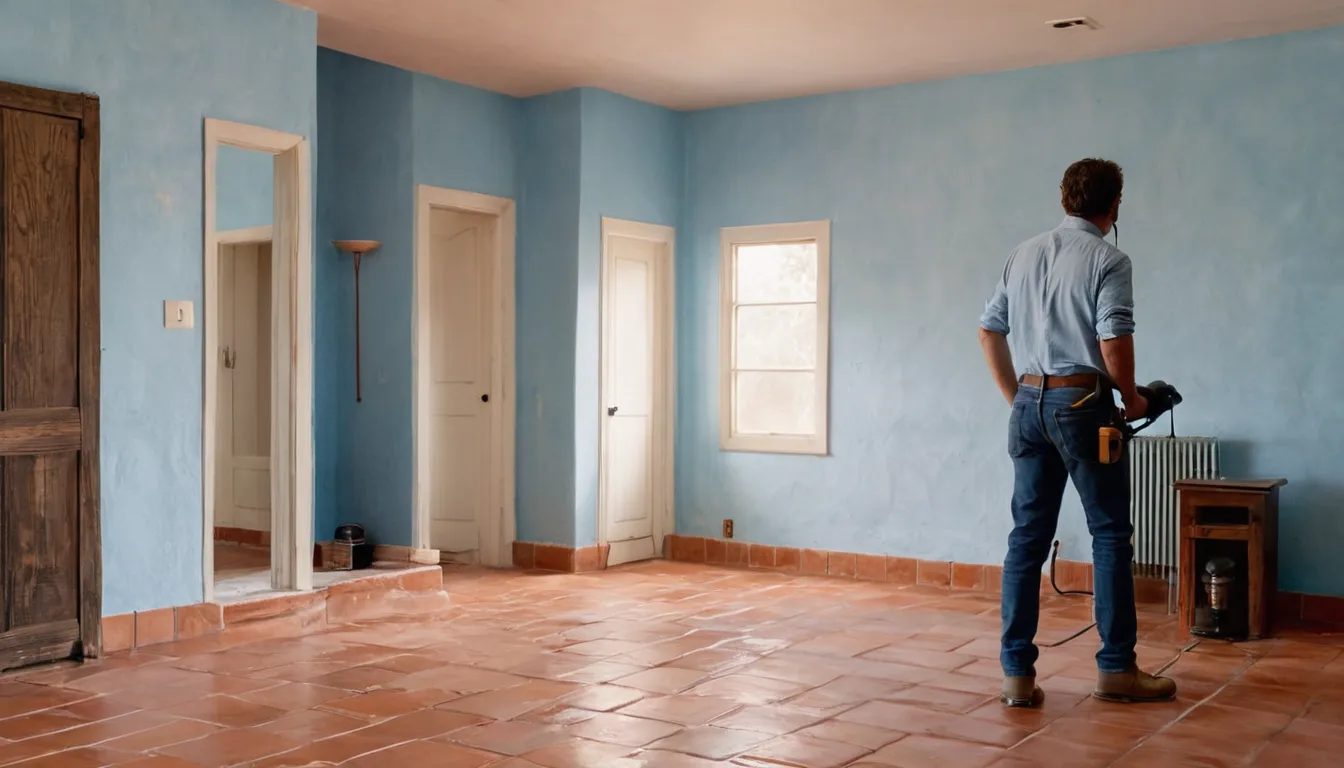
Water Damage Restoration Services in Albuquerque
Send a short request to start
Water damage restoration is the full job. First the water comes out. Then the home gets dried with strong fans and dehumidifiers (machines that pull water out of the air). Last, any ruined parts get fixed, like drywall, baseboards or floors. A good provider uses a moisture meter, a small tool that reads how wet something is, at each step.
Artfinancier Water Restoration connects homeowners in Albuquerque and nearby towns with independent providers who do this work. The goal is to reach someone fast, while the damage is still small. After the repair, the provider can tell you what caused it, so you can keep it from happening again.
Found Water? Start Here
Do these four things first. They are safe and simple.
Turn Off the Water
Find the main valve and close it. In many homes here, it sits near the front of the house, in a box by the curb or in a garage.
Stay Away From Power
Do not touch outlets, cords or switches near water. Turn off a breaker only if you can stand on a dry floor.
Take Photos
Take wide photos of each wet room. Then take close photos of the damage and the source.
Move Your Things
Move rugs, papers and electronics to a dry room.
Why Fast Help Matters
Water does not stay put. It soaks into drywall and wood. It runs under flooring and cabinets. In a day or two, mold can start to grow. The faster drying starts, the more of your home can be saved. That usually means a smaller job and a smaller bill.
What the Work Includes
Inspection
The provider checks where water went. They use a moisture meter and sometimes a thermal camera (a camera that shows cold, wet spots).
Water Removal
Pumps and wet vacuums pull out standing water. Carpet gets extracted, which means water is pressed and sucked out of it.
Drying
Air movers (low, strong fans) and dehumidifiers run for a few days. The provider checks readings each visit.
Repairs
Once everything is dry, ruined parts are replaced. Some providers do this. Others refer you to a contractor.
Not All Water Is the Same
Clean water comes from a supply pipe. It is the easiest to deal with. Gray water comes from a washer or dishwasher and has some dirt in it. Black water comes from a sewer or outside flooding. It can make people sick. Wet carpet and pad from black water usually has to go. Tell the provider where the water came from.
Water Behind Stucco and Under Slabs
Many homes here have stucco walls and slab floors. Water can hide behind stucco for a long time. A leak in a pipe under the slab can push water up through the floor. These leaks are hard to see. A provider with a meter can find them.
Insurance
Some policies may cover sudden damage, like a burst pipe. Slow leaks and outside flooding are often handled in a different way. Read your policy. Ask your agent. Keep your photos, notes and receipts. Providers can often help document damage for a claim.
How to Choose a Provider
Ask these questions:
- Do you have the license my state requires? Are you insured?
- How will you find hidden water?
- How will I know my home is dry?
- Can I get the estimate in writing?
A provider who answers clearly is a good sign.
After the Repair: Prevent the Next One
Ask the provider what caused the leak. Then fix that one thing. Replace an old hose. Flush the water heater. Clear the roof drains before monsoon season. Seal stucco cracks. These small jobs can save you from doing this again.
What Happens on the First Visit
The provider walks through your home with you. They ask where the water came from and when you found it. They use a moisture meter on floors, walls and cabinets to see how far the water went. Then they explain the plan in plain words: what needs to be dried, what needs to come out and about how long it will take. You get a written estimate. If you agree, they start removing water and setting up the drying gear.
A Word on Hard Water
Hard water has a lot of minerals in it. Over time, those minerals build up in water heaters, valves and hoses. That buildup can make parts wear out and leak sooner. If your leak came from a water heater or a valve, ask the provider or a plumber if hard water played a part. A water softener or a yearly flush of the water heater may help.
What's Included
Finding the Water
A moisture meter shows where water went, even behind walls, under floors and inside cabinets.
Removing Water
Pumps and wet vacuums pull out standing water and soaked carpet.
Drying Your Home
Strong fans and dehumidifiers run for days until readings show the materials are dry.
Fixing the Damage
Ruined drywall, baseboards and floors are replaced once everything is dry.
What Restoration Usually Costs in the U.S.
Every job is different. The size of the wet area, the type of water and how long it sat all change the price. These are typical U.S. ranges. Ask for a written quote.
| Job | Typical U.S. range | Notes |
|---|---|---|
| Small leak, one room | $300 to $1,500 | Clean water, a few days of drying |
| Larger leak, more rooms | $1,500 to $5,000 | More gear and more days |
| Gray water cleanup | $2,000 to $6,000 | Extra cleaning |
| Sewage or flood water | $3,000 to $10,000+ | Safety gear, more removal |
| Slab leak water cleanup | $1,000 to $4,000 | Pipe repair is often a separate cost |
| Drywall and floor repair | $1,000 to $8,000 | Depends on size and material |
How It Works
Turn It Off
Close the main valve and stay away from wet outlets and cords.
Take Some Photos
Wide shots of each room, then close shots of the damage.
Send a Request
Use the short form to reach a local provider.
Read the Written Estimate
Ask questions, then decide if you want to hire them.
Why Call Artfinancier Water Restoration
Fast Connection
One request reaches a local provider while the damage is still small.
Plain Words
Each step and tool is explained in simple terms.
Local Providers
Independent providers who know stucco, slabs and monsoon storms.
Prevention Help
Learn what caused it and how to stop a repeat.
Other Services
Need water damage restoration services in Albuquerque?
- Short form, quick connection to providers
- Plain words, no trade jargon
- Independent providers in your area
- Prevention tips after repair
Water Damage Restoration Services FAQ
How long does water damage restoration take?
Drying often takes three to five days. Repairs can take another week or more. It depends on how big the job is and what has to be replaced.
Can water get trapped behind stucco walls?
Yes. Water can sit behind stucco for a long time without showing. Stains, cracks or a musty smell can be signs. A moisture meter can confirm it.
What causes most water damage in homes?
Common causes are burst or worn hoses, water heater leaks, roof drain backups, slab leaks and frozen pipes. Many can be prevented with simple checks.
Tell us what happened
Water where it should not be? Send a short request or request a callback. We connect you with a provider near you.
No obligation